Posts

Showing posts with the label Bipolar disorder

Top Meditation Music Tracks to Soothe Your Mind and Relieve Stress

Image
  Stress is one of the biggest enemies of our body; it leads us to many diseases and disturbs our daily life. Stress is not something that can be easily ignored. Stress may happen for a number of reasons like, your work stress, financial problems, relationship issues, career issues, etc. If you have any sort of stress in your life, then it is important to get rid of stress as soon as possible. Stress makes your body weak and it can even affect your mental health. As female psychiatrist in Indore , we suggest you the best meditation music that will reduce stress and make your stress free. #1 – Meditation Music Meditation is the best solution for stress, when you will listen to the best meditation music you will feel relaxed and the negative feelings will get reduced. You don’t need any special meditation equipment to meditate. All you need is just the headphones and a comfortable place where you can listen to the best meditation music. #2 – Rainforest Ambient This is...

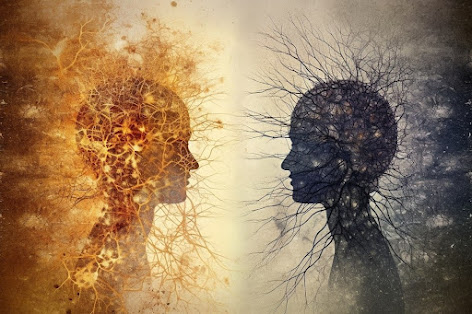
Finding Balance: Strategies for Managing Bipolar Disorder

Image
  Bipolar disorder, characterized by dramatic shifts in mood, energy, and activity levels, affects numerous individuals worldwide. To effectively manage this condition, a comprehensive approach that includes medical treatment, lifestyle adjustments, and emotional support is crucial. As we explore various strategies for managing bipolar disorder, it is also helpful to understand the role of trusted healthcare professionals in this journey. If you are located in Central India, for instance, finding the best psychiatrist in Indore can significantly contribute to a well-rounded management plan. Recognize the Symptoms Early recognition of the symptoms of bipolar disorder is the first step towards effective management. The condition is marked by alternating periods of manic highs and depressive lows. Symptoms of a manic phase might include increased energy, euphoria, irritability, and a decreased need for sleep, while the depressive phase can manifest as low energy, feelings of sadn...

Why Seeking Help for Bipolar Disorder Is Essential: Breaking the Stigma

Image
  Bipolar disorder, also known as manic-depressive illness, is a mental health condition that affects millions of people worldwide. It is characterized by extreme shifts in mood, energy, and activity levels, making it difficult for individuals to lead a stable and fulfilling life. Despite its prevalence, there is still a significant stigma surrounding bipolar disorder, which often prevents individuals from seeking the help they need. However, seeking help for bipolar disorder is essential, and breaking the stigma is crucial for individuals to receive proper treatment and lead a better life. One of the main reasons why seeking help for bipolar disorder is essential is because it is a complex and challenging condition to manage on your own. The extreme mood swings, from manic highs to depressive lows, can significantly impact an individual's daily life, relationships, and overall well-being. Without proper treatment, these symptoms can worsen and lead to severe consequences, such a...

When to See a Specialist for Bipolar Disorder?

Image
  Bipolar disorder, also known as manic-depressive disorder, is a mental health condition characterized by extreme mood swings ranging from high energy and euphoria to low energy and depression. It affects millions of people worldwide and can have a significant impact on one's daily life and relationships. While bipolar disorder can be managed with medication and therapy, it is essential to know when to seek help from a specialist, such as a psychiatrist in Indore . Here are some signs that indicate it may be time to see a specialist for bipolar disorder. 1) Difficulty managing symptoms: If you find that your bipolar symptoms are becoming increasingly challenging to manage, it may be time to see a specialist. This could include experiencing more frequent and intense mood swings, difficulty functioning in daily life, or a decline in overall well-being. 2) Medication is not working: Bipolar disorder is typically treated with a combination of medication and therapy. However, ...