Posts

Showing posts with the label psychiatrists in Indore

Why Does Music Instantly Improve Your Mood? The Science behind It

Image
  Music has a remarkable ability to influence our emotions, often lifting our spirits and reducing feelings of stress and sadness. But what is the science behind this powerful effect? Understanding how music impacts the brain can help those struggling with mental health issues like depression and anxiety . How Music Affects the Brain When you listen to music, your brain releases dopamine, a chemical responsible for pleasure and reward. This release triggers positive feelings, similar to the joy you experience when eating your favorite food or spending time with loved ones. Fast-paced tunes can boost energy levels, while slow, soothing melodies help calm the mind. In people dealing with depression and anxiety, this dopamine release can be especially beneficial. Research shows that music can reduce cortisol levels—the hormone linked to stress—helping individuals feel more relaxed and centered. Music as Therapy for Mental Health Many mental health professionals, including p...
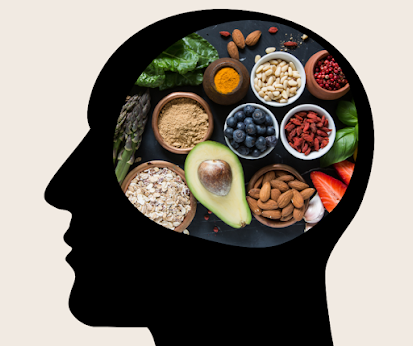
The Link between Nutrition and Mental Health

Image
  When we think about mental health, we often associate it with therapy, medication, and self-care practices. However, one aspect that is often overlooked is the link between nutrition and mental health. What we consume not only affects our physical health but also has a significant impact on our mental well-being. As a psychiatrist in Indore , I have seen firsthand the importance of a healthy diet in managing and improving mental health. Our brain, just like any other organ in our body, requires certain nutrients to function properly. These nutrients, including vitamins, minerals, and essential fatty acids, play a crucial role in regulating our mood, cognition, and overall mental health. A deficiency in these nutrients can lead to various mental health issues, including depression, anxiety, and even schizophrenia. One of the key nutrients for mental health is omega-3 fatty acids. These essential fatty acids are found in foods such as fish, nuts, and seeds and are known for the...

How to Manage and Overcome Panic Attacks

Image
  Panic attacks can be debilitating and overwhelming, causing intense feelings of fear, anxiety, and physical symptoms such as chest pain, shortness of breath, and dizziness. They can occur unexpectedly and can greatly impact a person's daily life. If you have experienced panic attacks, you are not alone. It is estimated that 2-3% of Americans suffer from panic disorder, and it is a common mental health issue seen by psychiatrists in Indore and around the world. Fortunately, there are ways to manage and overcome panic attacks. Here are some tips to help you cope with and conquer these episodes. 1) Educate Yourself about Panic Attacks The first step in managing panic attacks is to understand what they are and how they manifest. Panic attacks are sudden and intense periods of fear and anxiety that can last for several minutes. They can be triggered by various factors such as stress, certain situations, or even physical sensations. Knowing the signs and symptoms of panic attack...

Schizophrenia 101: Key Facts and Insights for Better Awareness

Image
  Schizophrenia is a serious mental disorder that can have a profound impact on the lives of those affected. It affects around 1% of people worldwide and can cause significant disruption to daily life. While there is no cure, treatment options are available that allow individuals with schizophrenia to manage their symptoms and lead productive lives. In this blog post, we will discuss Schizophrenia 101: Key Facts and Insights for Better Awareness so you can better understand this condition and how it impacts those living with it. First off, what is schizophrenia? It's an illness characterized by hallucinations (seeing or hearing things that aren't real), delusions (believing in something false despite evidence to the contrary), disorganized thinking/speech patterns, lack of motivation or interest in activities once enjoyed, as well as social withdrawal from family members & friends. Symptoms usually begin between ages 16-30 years old but may vary depending on each individu...